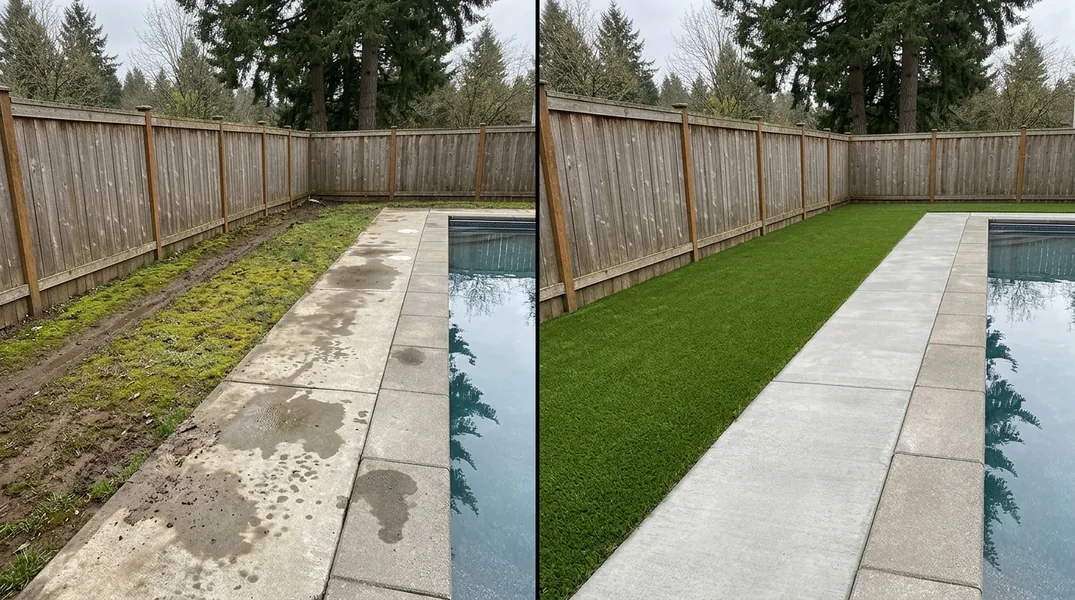
Understanding HOA Rules for Artificial Grass in Portland
If you live in a homeowners association (HOA) community in Portland, you've probably noticed that not every landscaping decision is entirely yours. HOAs exist to maintain property values and neighborhood aesthetics, which means front yard modifications, including the installation of artificial turf, often require approval before work begins.
Artificial grass has become increasingly popular across the Portland metro area, but many HOAs were established long before synthetic turf became a mainstream option. This means your community's governing documents may not explicitly address artificial grass, or they might contain outdated language that requires clarification. Understanding your HOA's specific stance on artificial turf is the first step toward a successful Residential Artificial Grass Installation project. Some HOAs enthusiastically embrace artificial grass because it reduces water usage and maintenance, while others have strict restrictions on synthetic materials in front yards.
How to Review Your HOA's Turf Rules and Covenants
Your HOA's rules regarding artificial grass are typically found in the Covenants, Conditions, and Restrictions (CC&R) document, the architectural guidelines, or a separate landscaping policy. These documents are usually provided when you purchase your home, but many homeowners don't review them carefully until they want to make a change. Start by pulling out your original closing documents or requesting an updated copy from your HOA board or property management company.
Look specifically for language about landscaping, lawn materials, front yard modifications, and water conservation. Some HOAs in Oregon have actually updated their rules in recent years to encourage water-wise landscaping, which can work in your favor when proposing artificial grass. Pay close attention to any requirements about color, pile height, material composition, or drainage. If the rules mention only natural grass or prohibit synthetic materials outright, don't assume it's a dead end, many HOAs are willing to consider exceptions or update policies when presented with a professional proposal. If you're unsure what your documents mean or can't locate them, contact your HOA's board president or management company directly and ask for clarification on their artificial turf policy.
Preparing Your Submittal Package for HOA Approval
Once you understand your HOA's rules, the next step is preparing a formal submittal if approval is required. A strong submittal package significantly increases your chances of getting a yes from your architectural review committee. Begin by gathering product specifications for the artificial grass you plan to install. Include samples if possible, along with detailed information about the turf's color, pile height, backing material, and drainage system. Your HOA wants assurance that the product will look natural, perform well, and integrate with the neighborhood aesthetic.
Include site photos showing your current front yard from multiple angles, and if available, provide renderings or mockups showing what the finished installation will look like. A professional rendering can be powerful because it helps the review committee visualize the final result. You should also include information about the installation process, timeline, and any ground preparation work that will be done. If you're working with Portland Artificial Grass Installation or another local installer, ask whether they can provide professional photos of completed projects in similar neighborhoods or HOA communities. Additionally, address sustainability and maintenance benefits in your submittal. Many HOAs appreciate learning that artificial grass reduces water consumption, eliminates the need for chemical fertilizers and pesticides, and requires minimal maintenance compared to natural turf. This is especially relevant in Portland, where environmental consciousness is a community value.
Common HOA Concerns and How to Address Them
Most HOA objections to artificial grass fall into a few predictable categories, and understanding these concerns helps you craft a more persuasive submittal. The most common worry is that artificial turf will look fake or cheap, lowering property values rather than enhancing them. This concern has become less valid as turf technology has advanced dramatically over the past decade. Modern artificial grass is designed to look remarkably realistic, with varied color tones, natural-looking pile texture, and authentic drainage properties. When submitting your proposal, emphasize that you're selecting a premium product, not a budget option, and provide high-quality samples or photos of the specific brand and style you've chosen.
Another frequent concern is drainage and water runoff. Some HOAs worry that artificial grass will create flooding issues or prevent water from percolating into the soil. A professional installer knows how to address this through proper base preparation, permeable backing materials, and integrated drainage systems. Include technical specifications in your submittal showing that your chosen turf product meets drainage requirements and how the installation will handle water management. A third concern is durability and fading over time. Address this by providing the manufacturer's warranty information, UV resistance ratings, and real-world examples of installations that have held up well in Portland's climate. Finally, some HOAs object to artificial grass on principle, viewing it as incompatible with the neighborhood's character. In these cases, your submittal should emphasize that artificial turf is now a mainstream choice across residential communities nationwide, and that it actually supports water conservation goals that align with Oregon's environmental values.
The Submittal and Approval Timeline
Understanding the approval process helps you plan your project realistically. Most HOAs have a formal architectural review committee that meets monthly, and submission deadlines typically fall a week or two before the meeting date. After you submit your package, allow at least two to four weeks for review and a decision. Some committees will approve your request outright, others may ask for modifications or additional information, and a few may request a meeting with you to discuss your proposal in person. If modifications are requested, be prepared to make them promptly so you can get back on the approval track.
Once you receive written approval, keep that documentation with your records. It protects you if questions arise later and proves that your installation was authorized. After approval is granted, you can move forward with scheduling your Residential Artificial Grass Installation with confidence. Portland Artificial Grass Installation can walk you through the timeline and coordinate with your HOA if needed. If your HOA denies your request, ask for specific reasons in writing and determine whether you can address their concerns with a revised submittal or whether you need to explore other options.
Working with a Local Installer Who Understands Portland HOAs
Choosing an experienced local installer makes the HOA approval process smoother and increases the likelihood of a successful outcome. Portland Artificial Grass Installation has completed numerous projects in HOA communities across the metro area and understands the nuances of local architectural guidelines. A knowledgeable installer can advise you on which products and styles are most likely to gain approval, provide professional samples and documentation for your submittal, and even communicate directly with your HOA if needed to answer technical questions.
When you're ready to move forward, contact Portland Artificial Grass Installation at (971) 290-6089 to discuss your project and get a free estimate. During your consultation, ask about their experience with HOA approvals, request references from other HOA projects they've completed, and discuss strategy for your specific community. A professional installer who has worked in your neighborhood or a similar one can provide invaluable insights into what your HOA is likely to approve. They can also help you understand the pricing for your project and timeline from approval through installation. With the right preparation, professional guidance, and a quality installer, you can successfully navigate your HOA's approval process and enjoy a beautiful, low-maintenance artificial grass front yard that enhances your home's curb appeal and property value.
Looking for a professional artificial grass installation company in Portland? Portland Artificial Grass Installation responds fast for all your artificial grass installation needs.
Get a Free Quote